
Minecraft Biomes Guide: Complete Breakdown of All Biomes (2026)
Introduction
Minecraft worlds are divided into different natural regions called biomes. Each biome has its own appearance, climate, resources, and type of mobs that appear there. These variations make exploration more exciting and survival more strategic.
Knowing how biomes work helps players find useful materials faster, choose better building locations, and survive more efficiently. This guide explains all major Minecraft biomes in a simple and unique way for 2026, Minecraft Biomes Guide.
What Are Biomes in Minecraft?
A biome is a specific environment inside the Minecraft world that controls:
- Weather conditions (rain, snow, heat)
- Landscape style (flat, hills, mountains)
- Animal and mob spawning
- Available resources and plants
- Overall atmosphere of the area
Every world contains multiple biomes connected together.
Overworld Biomes Overview
🌳 Forest Biome
A basic and frequently found biome.
Key Points:
- Filled with oak and birch trees
- Wolves can appear here
- Easy access to wood resources
Perfect starting point for new players.
🌲 Taiga Biome
A cold forest region with thick vegetation.
Key Points:
- Mostly spruce trees
- Foxes and wolves spawn
- Some versions include snow cover
Useful for wood collection and early survival.
🌾 Plains Biome
A wide, flat, and open area.
Key Points:
- Horses, cows, and sheep spawn easily
- Villages commonly generate here
- Simple terrain for building structures
One of the best beginner-friendly biomes.
🏜️ Desert Biome
A hot and dry environment with limited water.
Key Points:
- Sand and cactus everywhere
- Desert temples can be found
- Husk mobs appear at night
Good for treasure hunting and exploration.
🌊 Ocean Biome
Large water-filled areas covering vast space.
Key Points:
- Dolphins, fish, and squids
- Shipwrecks and underwater ruins
- Coral reefs in warm oceans
Great for underwater adventures.
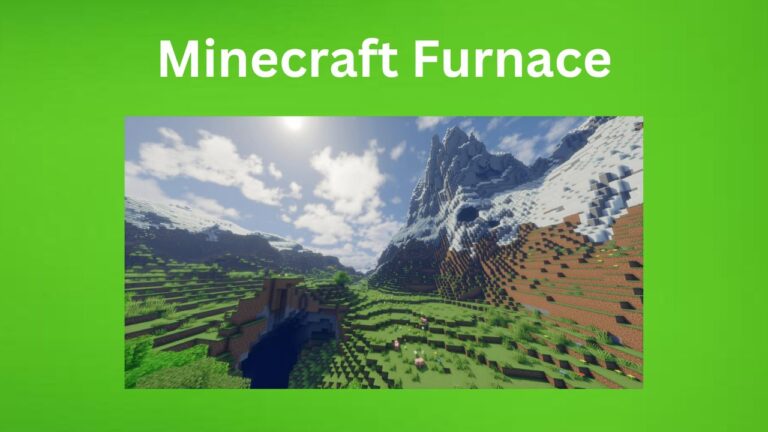
🏔️ Mountain Biome
High elevation terrain with steep cliffs.
Key Points:
- Snow-covered peaks in higher areas
- Emerald ores can be found
- Goats often spawn
Ideal for mining and scenic builds.
❄️ Snowy Biome
Cold regions covered in ice and snow.
Key Points:
- Frozen lakes and snowy ground
- Polar bears appear here
- Ice blocks and snow layers dominate
Challenging but visually unique.
🌸 Flower Forest Biome
A colorful variation of the forest biome.
Key Points:
- Wide variety of flowers
- Bee nests often spawn
- Bright and vibrant landscape
Perfect for decorative building projects.
🐄 Savanna Biome
Warm grassland biome with dry climate.
Key Points:
- Acacia trees dominate
- Horses and llamas spawn
- Villages are common
Good for early-game survival bases.
🌿 Jungle Biome
Dense and heavily vegetated region.
Key Points:
- Tall jungle trees and vines
- Parrots and ocelots spawn
- Cocoa beans grow naturally
Great for rare resources and exploration.
🏜️ Badlands Biome
A rare and colorful dry biome.
Key Points:
- Red sand and terracotta layers
- Abandoned mineshafts generate
- High gold ore distribution
Excellent for mining valuable resources.
Nether Biomes Explained
🔥 Nether Wastes
The most common Nether environment.
Key Points:
- Lava lakes everywhere
- Netherrack terrain
- Ghasts and zombified piglins
Very dangerous for beginners.
🌲 Crimson Forest
A red-colored forest in the Nether.
Key Points:
- Crimson wood structures
- Hoglins and piglins spawn
- Dense and slightly dangerous terrain
Useful for food and trading.
🌳 Warped Forest
One of the safer Nether biomes.
Key Points:
- Blue warped vegetation
- Endermen frequently spawn
- Fewer hostile mobs
Good for safer exploration.
🪨 Basalt Deltas
A volcanic-style Nether biome.
Key Points:
- Basalt and blackstone terrain
- Lava particles in the air
- Magma cubes spawn often
One of the most hostile environments.
The End Dimension
🟣 The End Biome
A mysterious floating island dimension.
Key Points:
- Made of end stone islands
- Endermen are everywhere
- End cities contain rare loot
- Home of the Ender Dragon
Final stage of Minecraft progression.
Why Biomes Matter in Minecraft
Biomes are important because they help players:
- Gather specific resources efficiently
- Find villages and structures
- Plan better survival strategies
- Choose ideal building locations
- Understand environmental dangers
Useful Exploration Tips
- Always carry basic survival tools
- Use coordinates for navigation
- Place torches to mark paths
- Sleep during dangerous nights
- Keep food and weapons ready

Conclusion
Minecraft biomes create diversity and depth in the game world. Each biome offers different challenges, resources, and exploration opportunities that shape the player’s experience.
By understanding how biomes work, you can survive longer, build smarter, and explore Minecraft more effectively in 2026, Minecraft Biomes Guide.